 901-363-4636
In Memphis, summer doesn’t just arrive; it blazes in with high humidity, scorching temperatures, and weeks of nonstop sun. For homeowners, a functioning air conditioner isn’t just a comfort it’s a necessity. Understanding the cost factors involved in hvac installation can help homeowners budget more effectively. The average price for HVAC installation, which includes both equipment and labor costs, gives homeowners a useful benchmark for typical project expenses.
But if your current cooling system is outdated, inefficient, or already showing signs of wear, waiting until the peak of the season could leave you sweating it out while scrambling for service. Scheduling your AC installation before the heat hits is one of the smartest decisions you can make for your home comfort and budget. Scheduling installation during off-peak seasons, like spring or fall, can help reduce installation costs and ensure better availability of HVAC professionals.
How Memphis Heat Impacts Aging AC Units
Temperatures in our area often climb into the 90s and combined with high humidity, this creates an extreme workload for your AC system. Older units, especially those nearing or past the 10–15 year mark, struggle to keep up with the cooling demand. The cooling capacity of an AC system is measured in British Thermal Units (BTUs), and proper BTU sizing is crucial for handling Memphis heat. Reduced cooling capacity and lower efficiency ratings in aging systems can lead to higher energy costs for homeowners. As a result, your home may never feel as cool as you want it to, and your system ends up running longer, using more energy, and wearing out faster.
Here’s how Memphis heat can impact your aging AC:
- Longer runtimes lead to increased wear and tear
- High humidity makes your system work harder
- Increased risk of mid-season breakdowns
- Higher energy bills with decreased performance
If you’ve noticed uneven cooling, loud noises, strange odors, or rising utility costs, your system may not survive another summer.
The Cost of Delaying Your AC Upgrade
Many homeowners put off AC replacement until their unit breaks down completely, usually on one of the hottest days of the year. Not only is this incredibly inconvenient, but it also means you’ll be stuck waiting for service during the busiest time of the year, when HVAC companies are booked solid.
By planning your AC installation in Memphis during the spring or early summer, you’ll benefit from:
- Faster scheduling and flexible appointment times
- More system options and inventory availability
- The ability to prepare your home before temperatures soar
- Avoiding emergency repair or rental cooling costs
The total cost of AC installation includes both the unit and labor costs. The average cost can vary depending on when you schedule the work, as labor costs often increase during peak demand periods. In Memphis, a new central HVAC system installation typically costs between $7,000 and $16,000, including labor. However, a complete heating and air conditioning system installation in Memphis typically ranges from $7,500 to $13,500. Planning ahead helps you better manage these expenses. The cost data provided here is based on reputable industry research and local market analysis to ensure accuracy for Memphis homeowners.
Benefits of Installing a New AC for Memphis Summers
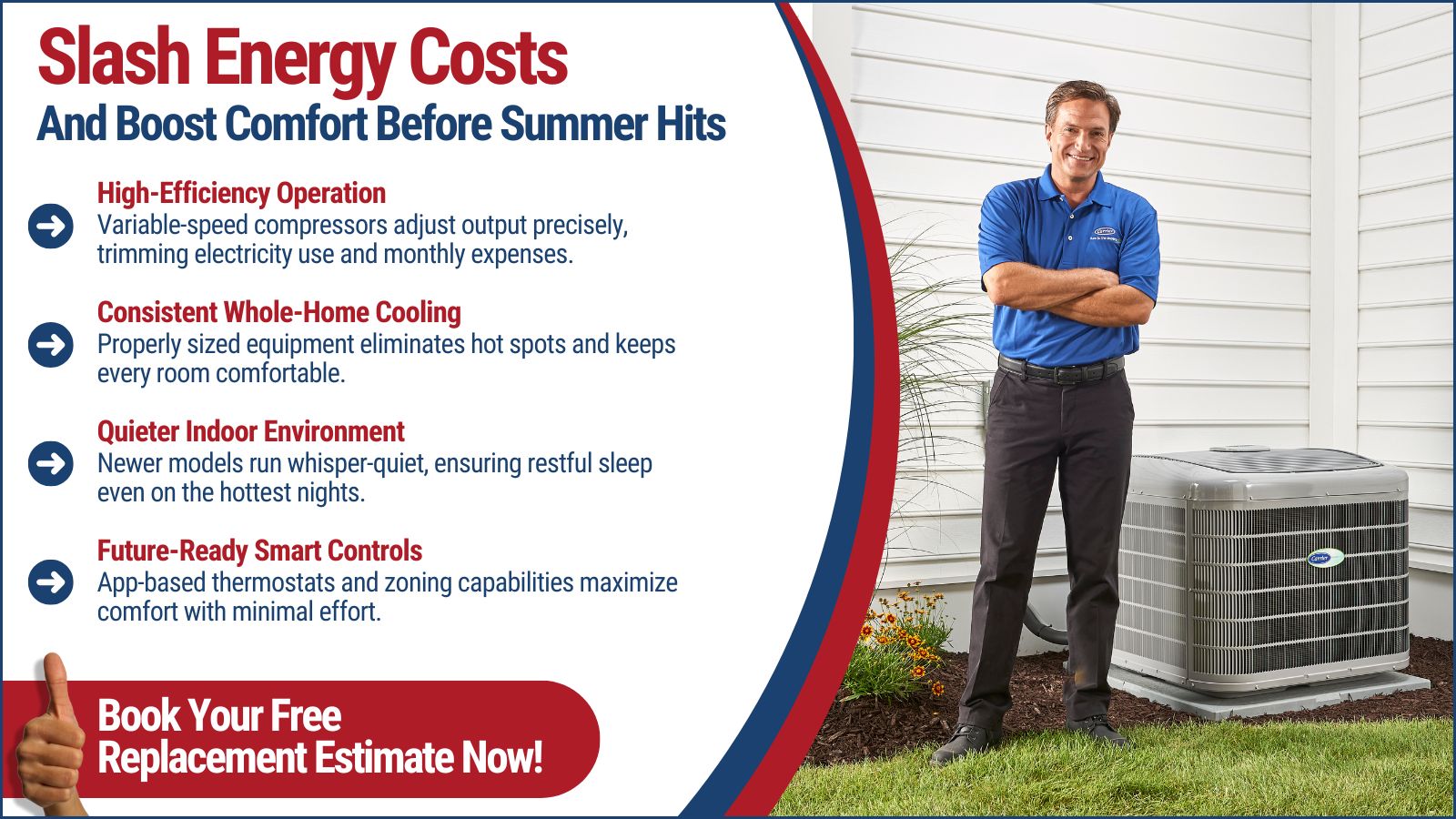
Installing a new AC system before the heat sets in provides more than just reliable comfort, it’s an investment in energy efficiency, indoor air quality, and peace of mind. In some cases, it may also be the ideal time to evaluate your options for a new AC unit, including selecting a new hvac unit and ensuring you choose the right hvac unit for your needs and budget. Selecting the right system type and unit size is crucial for optimal performance, energy savings, and cost-effectiveness. For larger homes, a larger hvac system may be required, but proper sizing is essential to avoid unnecessary costs. Higher SEER ratings for HVAC units typically result in higher upfront costs but can lead to significant long-term energy savings. When considering system types, installing a central ac or central air conditioner can provide comprehensive home cooling, improved moisture control, and better energy efficiency compared to alternative systems.
- Greater efficiency – Newer systems are designed to use less energy while delivering stronger cooling performance. Choosing an efficient system with a high SEER (Seasonal Energy Efficiency Ratio) rating can maximize energy savings. Opting for high efficiency air conditioners, especially ENERGY STAR-certified models, can lead to significant energy savings over time and may qualify for rebates or incentives. Choosing a higher efficiency HVAC system can save you hundreds of dollars in utility costs each year.
- Improved humidity control – Memphis summers are famously humid. A modern system with advanced dehumidification capabilities helps you stay comfortable and reduce mold risk throughout your home.
- Quieter operation – Older AC units tend to rattle, buzz, or cycle loudly. New models are built for quieter, smoother operation, ideal for getting a good night’s sleep even when it’s sweltering outside.
- Smart features – Today’s AC systems can integrate with smart thermostats, offering app-based controls, energy tracking, and zoning options that let you cool your home your way. Modern HVAC equipment and efficient systems are designed to maximize equipment efficiency and comfort.
Understanding Installation Costs
When planning for a new HVAC system, understanding the full scope of installation costs is essential. The total cost of central air installation can vary based on several key factors, including the type of system you choose, the size of the unit needed for your home, whether you have existing ductwork, and the labor costs charged by your HVAC contractor. Larger homes typically require a bigger unit, which increases both equipment and installation costs. If your home already has existing ductwork in good condition, you may save significantly on the total cost compared to homes that need new ductwork installed. Labor costs can also fluctuate depending on the complexity of the job and the time of year you schedule your installation. To get the best value, it’s wise to compare quotes from multiple HVAC contractors and explore financing options, such as HVAC-specific loans or home equity lines of credit, to help manage the upfront cost of your new HVAC system.
Types of Heating and Air Conditioning Systems
Homeowners have several options when it comes to heating and cooling their homes, each with its own set of benefits. Central air conditioning systems are the most popular choice, especially for homes with existing ductwork, as they efficiently distribute cool or warm air throughout the house. Heat pumps are another versatile option, providing both heating and cooling in one energy-efficient package, ideal for climates with moderate temperature swings. For homes without existing ductwork, ductless mini split systems offer a flexible solution, using an outdoor compressor and one or more indoor units to deliver targeted comfort without the need for major renovations. The best system type for your home depends on your layout, comfort preferences, and energy efficiency goals. Whether you’re looking for a traditional central air system, a modern heat pump, or a ductless mini split, there’s a solution to fit every need and budget.
Average Cost of Installation
The average cost to install a new HVAC system can range from $6,000 to $15,000, depending on several factors such as system type, unit size, and whether you have existing ductwork. For a typical 2,000 square foot home, homeowners can expect to pay around $11,000 to $12,000 for a complete installation. Costs may be higher for high-efficiency systems or if significant upgrades to the duct system are required. Labor costs, equipment efficiency, and the complexity of the installation all play a role in determining the final price. While a new hvac system with a higher efficiency rating may come with a higher upfront cost, it can deliver substantial energy savings over time. Be sure to factor in any necessary repairs or improvements to your existing duct system when budgeting for your new HVAC installation.
How Proper AC Installation Protects Your Investment
Choosing the right system is only half the equation, professional installation ensures your new AC is properly sized, calibrated, and installed for maximum efficiency and long-term reliability. Proper ductwork installation and addressing any air leaks in the duct system are essential for maximizing system efficiency and minimizing energy loss. Homes with existing ductwork may have lower installation costs, while those without may require additional work and expense to install a new duct system. Central air installation costs include not only the price of the unit but also labor, ductwork, and any necessary modifications to your home. Installing ductwork can add an additional $1,000 to $2,700 to the overall HVAC installation cost. The cost of installing a new HVAC system can reach up to $22,000 when including ductwork and additional features. When considering system options, a packaged system, where all components are housed in a single outdoor unit, can be a good alternative to split systems, especially for homes without basements or attics. Working with experienced air conditioning contractors ensures that annual maintenance and inspections are performed, extending the lifespan of your system and maintaining optimal performance. In a climate as demanding as ours, working with licensed and experienced HVAC technicians is essential to get the most out of your investment.
Duct System Installation
Ductwork installation is a significant component of the overall cost when installing a new HVAC system, especially in homes that lack existing ductwork or require major upgrades. The cost of installing a new duct system can range from $2,000 to $10,000 or more, depending on the size of your home, the complexity of the layout, and the materials used. If your home already has existing ductwork, it may be possible to modify or upgrade it to work with your new hvac system, which can help reduce costs. However, additional labor and materials may be needed to ensure the duct system is properly sealed and insulated for maximum efficiency. Investing in a well-designed and professionally installed duct system is crucial for effective heating and cooling, and can help lower your energy bills by minimizing air leaks and ensuring even distribution of cool or warm air throughout your home.
Equipment Selection
Selecting the right equipment for your new HVAC system is key to achieving efficient and reliable heating and cooling. When choosing a system, consider important factors such as cooling capacity, energy efficiency, and the type of system that best fits your home. The Seasonal Energy Efficiency Ratio (SEER) rating is a critical measure of an air conditioning unit’s efficiency, the higher the SEER, the greater the energy savings over time. Homeowners should also weigh the benefits of different system types, such as a central air conditioning system, heat pump, or ductless mini split system, based on their specific needs and home layout. Partnering with a reputable HVAC contractor ensures professional installation and ongoing maintenance, helping you get the most out of your investment. By carefully selecting the right equipment and working with experienced professionals, you can enjoy consistent comfort, lower energy bills, and peace of mind for years to come.
Permit Requirements for AC Installation in Memphis
Before you install central air in your Memphis home, it’s important to know that the city requires specific permits for central air installation. These permits are designed to ensure your new central air conditioning system meets all local building codes, safety standards, and energy efficiency guidelines. Proper permitting not only protects your investment but also helps guarantee that your air conditioning system operates safely and efficiently for years to come. Permits and inspections for HVAC installations in Memphis can incur fees ranging from $50 to $500 depending on location and project scope. Local building codes in Memphis require permits and inspections, typically costing between $100 and $400.
When you’re planning a central air installation, your HVAC contractor will typically handle the permitting process for you. This includes submitting the necessary paperwork to the city, scheduling inspections, and making sure your new central air conditioning system is installed according to code. Inspections may cover everything from the electrical connections to the refrigerant lines, ensuring your air conditioning unit is set up for optimal performance and energy efficiency.
Skipping the permit process can lead to costly fines, delays, or even problems with your homeowner’s insurance down the road. By working with a licensed HVAC company familiar with Memphis regulations, you can rest easy knowing your central air installation is fully compliant and ready to keep your home cool and comfortable all summer long.
Upgrade Early to Avoid Peak Summer Heat
The summer heat isn’t forgiving, and neither is an aging AC system. If you’ve been putting off a replacement, spring is the ideal time to act. Upgrading now means a cooler, more comfortable home, lower energy bills, and no surprises when the temperature hits 95°F in July. While energy-efficient systems may have a higher upfront cost, federal tax credits and financing options can help offset the initial investment, making the upfront cost more manageable. Plus, many high-efficiency HVAC systems may qualify for federal tax credits or state/local rebates, allowing you to enjoy comfort without financial stress. Many homeowners opt for financing solutions to spread out payments for HVAC installations.
When considering an upgrade, it’s important to look at all your residential heating options. Choices include electric furnace, gas furnace (using natural gas or propane), oil furnace, and geothermal heat pump systems. Furnace costs vary depending on the type, fuel source, and installation requirements. Gas furnaces are often preferred in colder climates for their efficiency and lower operational costs, while electric furnaces have a lower initial cost and work well in warmer regions. Oil furnaces are common where natural gas isn’t available. Geothermal heat pumps use geothermal heat from the ground or extract heat from outdoor air, providing efficient heating and cooling for your home. Selecting the right heating system depends on your home’s needs, local climate, and overall residential heating requirements.
Since 1943, it’s been Automatic in Memphis! Contact the experts at Automatic Air Conditioning, Heating & Plumbing to get started on your next AC replacement and installation.
 Review Us On Google