
 901-363-4636
Winter temperatures can put serious stress on your plumbing system. When the weather turns cold, pipes become vulnerable to freezing, expanding, and bursting—often with little warning. A burst pipe can cause significant water damage in a short amount of time, making prevention especially important during winter. By understanding how cold weather affects plumbing and knowing what warning signs to watch for, homeowners can reduce the risk of plumbing emergencies.
Why Cold Weather Increases the Risk of Burst Pipes
When temperatures drop, water inside pipes can freeze and expand. This expansion places pressure on pipe walls, fittings, and joints. Pipes located near exterior walls, in crawl spaces, or in unheated areas are especially at risk during cold snaps.
Even if pipes don’t freeze solid, repeated freezing and thawing can weaken them over time. Small cracks can form and eventually lead to leaks or sudden bursts once temperatures rise again. Winter plumbing issues often develop quietly, which is why early awareness is key.
Insulate Pipes Before Temperatures Fall
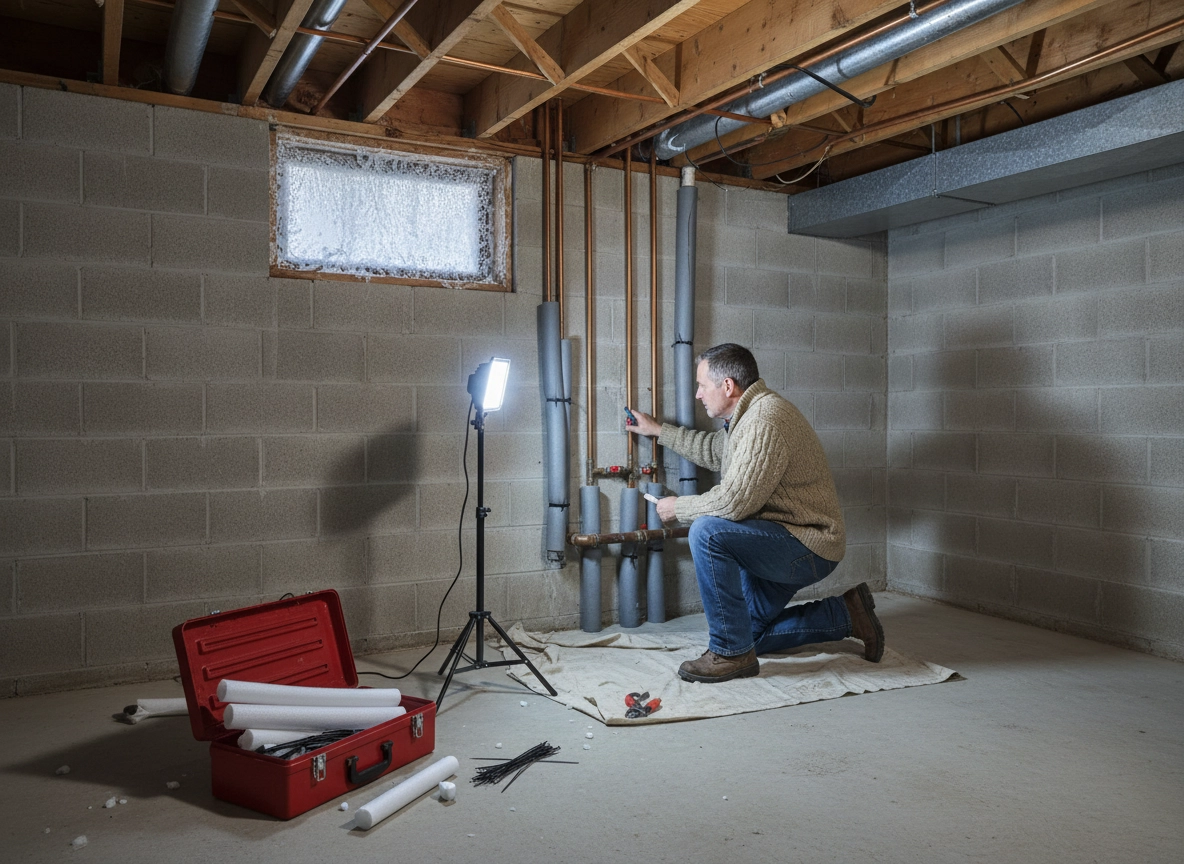
One of the most effective ways to protect plumbing during winter is proper insulation. Exposed pipes in basements, garages, attics, and utility rooms should be insulated to help maintain stable temperatures.
Insulation helps reduce heat loss and limits the chance of freezing during cold nights. Sealing gaps around pipe entry points also prevents cold air from reaching vulnerable sections of plumbing. These preventive steps greatly reduce the likelihood of winter pipe damage.
Watch for Signs of Frozen Pipes
Frozen pipes don’t always burst immediately, but they often give warning signs. Reduced water flow, unusual noises when turning on a faucet, or visible frost on exposed pipes can all indicate freezing.
If you notice these symptoms, it’s important to act quickly. Frozen pipes that are left unaddressed may crack or burst as pressure builds. Early detection can help prevent more serious damage and costly repairs.
Maintain Consistent Indoor Temperatures
Keeping indoor temperatures consistent during winter helps protect pipes hidden behind walls or beneath floors. Allowing temperatures to drop too low—even for short periods—can expose plumbing to freezing conditions.
Maintaining steady warmth supports both plumbing and heating system performance. Sudden temperature swings can increase strain on pipes, making them more susceptible to winter damage—especially during overnight temperature drops.
Why Professional Inspections Matter in Winter
Cold weather can expose weak points in plumbing that aren’t noticeable during warmer months. Professional inspections allow trained technicians to identify vulnerable pipes, aging materials, or areas where insulation may be lacking.
Catching these issues early helps prevent emergency repairs and water damage. Winter inspections also provide peace of mind, knowing your plumbing system is prepared to handle extended cold spells without interruption.
Protect Your Home With Automatic Air Conditioning, Heating, Plumbing & Electric
Cold weather doesn’t have to lead to plumbing problems. Automatic Air Conditioning, Heating, Plumbing & Electric provides professional plumbing services designed to protect homes when temperatures drop.
Since 1943, it’s been Automatic in Memphis! Contact Automatic Air Conditioning, Heating, Plumbing & Electric today to schedule plumbing service.
 Review Us On Google